The question of Philippine retailers’ readiness for cloud ERP is becoming pressing, as growth in all store types, marketplace, warehouse, payment gateways,SKUs, and expectations from customers continues to happen at the same time.
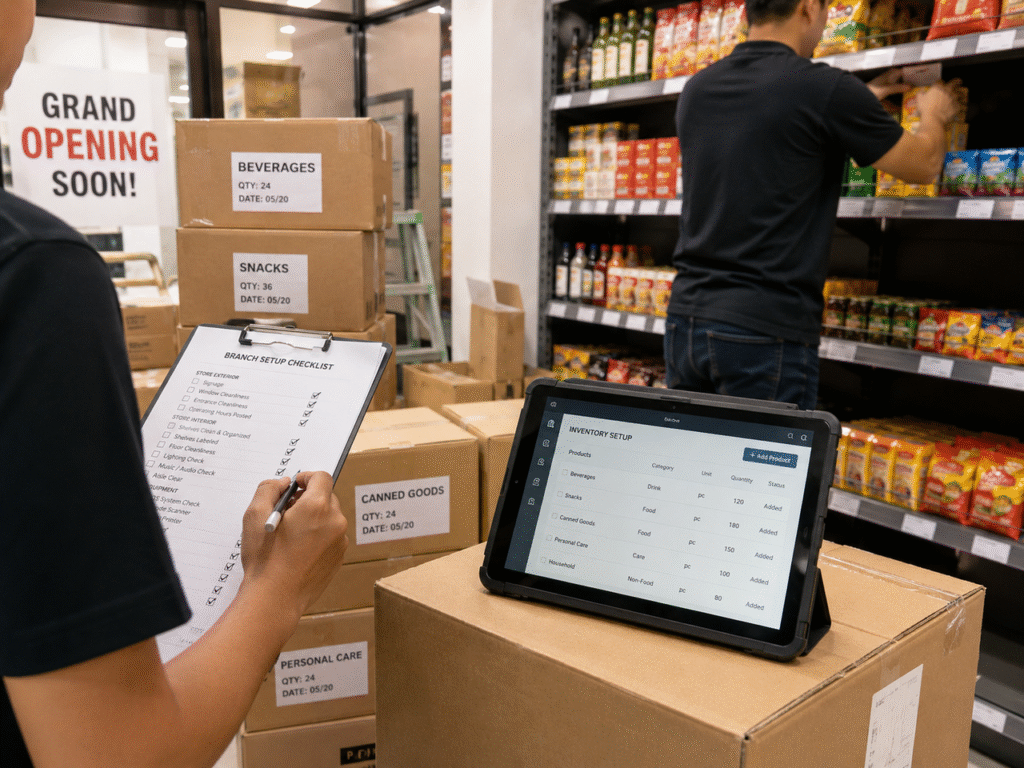
For wholesale and retail trade, the growth of 4.6% in 2026 first quarter remained one of the key engines of Philippine economic growth, according to Philippine Statistics Authority. The ratio of digital transactions to total monthly retail payment volume in 2024 reached 57.4%, according to the most recent measurement from the Bangko Sentral ng Pilipinas. (psa.gov.ph)
This growth creates opportunity. But it also puts more pressure on the operation behind every sale.
The question is no longer simply whether your ERP still works. It is whether your current operating foundation can continue supporting where your retail business is going next.
Here are seven signs it may be time to assess your readiness for cloud ERP.
1. Growth Is Happening Across Stores and Channels at the Same Time
Managing more stores is one challenge. Managing physical branches, e-commerce, marketplaces, warehouses, and delivery operations together is another.
As these areas expand, your retail business needs more than separate systems completing separate tasks. It needs one operating foundation that keeps products, inventory, purchasing, finance, and reporting aligned.
Cloud ERP becomes relevant when growth can no longer be managed channel by channel.
2. Your Business Is Adding More Companies, Brands, or Locations
A new company or brand introduces more than another name under the retail group. It can bring additional financial structures, approvals, responsibilities, reports, warehouses, and business rules.
The more the organization expands, the more important it becomes to establish which processes should remain shared and which can differ.
SAP identifies growing complexity, multi-company operations, international expansion, and the need for standardized processes as common reasons SAP Business One customers begin evaluating SAP Cloud ERP. (community.sap.com)
3. Management Information Requires Too Much Preparation
Your business may already have the information it needs. The problem begins when teams must collect, reconcile, verify, and reformat it before leaders can use it.
This can make routine questions unnecessarily difficult:
- How is each store performing?
- Which inventory needs attention?
- What is changing across companies or channels?
- Where should the business act next?
A growing retailer becomes ready for cloud ERP when management needs one clearer and more current view of the business, not another report that requires more preparation.
4. Different Locations Are Developing Different Ways of Working
Sales growth gets much more difficult if each outlet, shop, business unit, distribution center has their own approach to setup of products, purchasing and procurement, replenishing stock levels, stock transfers, authorization of new items, and also reporting.
Local flexibility will always matter. But the foundation should remain consistent.
Cloud ERP can help establish one operating model across the retail group while allowing the business to respond to valid differences in market demand, product assortment, and location requirements.
The goal is not to make every store identical. It is to make sure they still operate as one business.
5. Consistent Transaction Data Is Becoming More Important
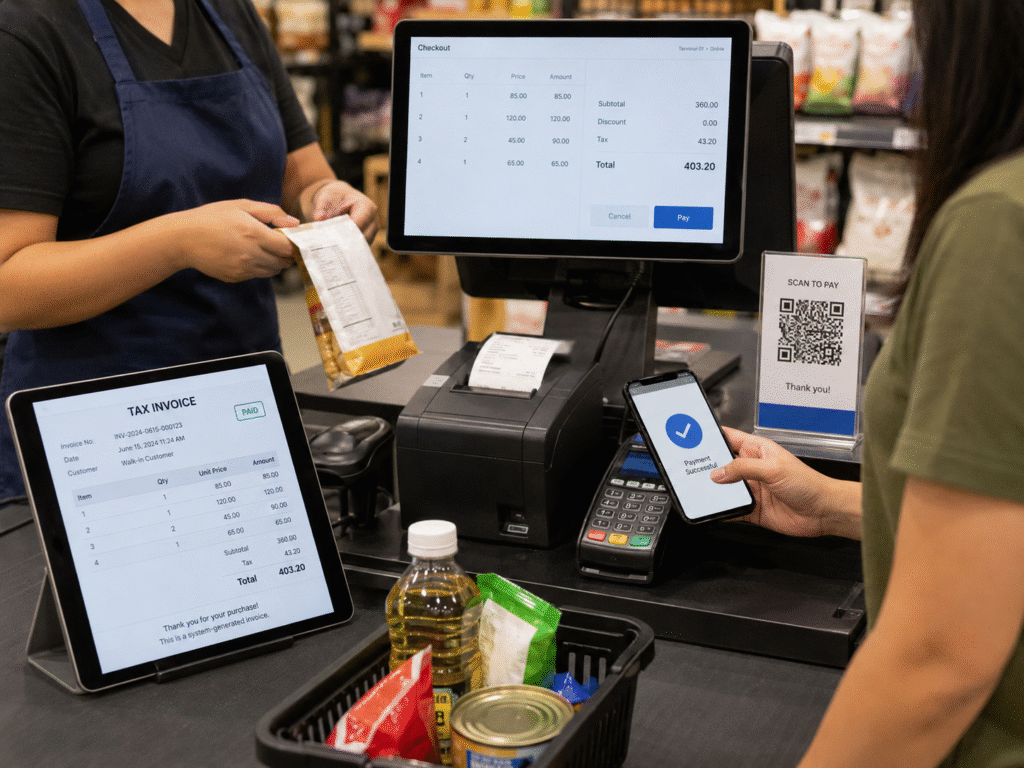
Philippine businesses are moving toward more structured digital transactions.
Under BIR Revenue Regulations No. 11-2025, electronic invoicing requirements cover several taxpayer groups. The rules also state that when covered business activities are registered through branches, the head office and all branch offices are included. Revenue Regulations No. 26-2025 gave specified covered taxpayers until December 31, 2026 to comply. The exact requirements depend on the taxpayer’s classification and operating setup. (bir-cdn.bir.gov.ph)
Cloud ERP does not automatically guarantee compliance. Invoicing, POS, localization, integration, and reporting requirements still need careful assessment.
However, the direction is clear. Consistent data across stores, branches, and finance is becoming more important for stronger control and compliance readiness.
6. Your Growth Plans Depend on Faster Access to Innovation
Cloud ERP is no longer only about moving infrastructure away from the office.
It can give businesses a more practical path to continuous improvements, embedded intelligence, updated processes, and new capabilities without depending on another major system upgrade each time.
SAP positions GROW with SAP as a guided route to cloud ERP for eligible midmarket customers, including SAP Business One users. It combines fit-to-standard processes, expert guidance, and SAP tools designed to simplify the transition.
The value is not having more technology. It is being able to keep improving how the business works as retail requirements continue to change.
7. Your Next Stage Needs a Roadmap, Not Another Workaround
Workarounds can keep operations moving. But when temporary fixes begin shaping how stores, warehouses, and teams operate, every new expansion can become harder to support.
Cloud ERP readiness does not mean every process must move immediately.
It means the business is ready to determine:
- What already works and should be preserved
- What should become standard
- What needs to be redesigned
- What should move first
- What can wait for a later phase
SAP Business One has always served as a steadfast and familiar launching point where many companies have successfully transitioned from their formative years to reach their potential today. The transition to SAP Cloud ERP is simply a logical continuation in this journey; one which is undertaken, not to abandon what works, but to accommodate future, expansive needs when these needs arise.
Realizing you see the symptoms is just the beginning. What you need to know more than anything else is how to proceed forward while making sure you don’t throw out all of the investments, knowledge, and processes that already make your business function.
Why Plan Your Cloud ERP Journey with Direc

Transitioning to Cloud ERP doesn’t mean sacrificing the valuable resources, know-how, or investments that already enable your business. Instead, Cloud ERP puts them on a firm footing for what the future holds.
Direc begins by understanding your current SAP Business One environment, retail operations, and future plans. We identify which processes should be preserved, which areas need to become more consistent, and which capabilities should move first. This helps ensure the transition remains business-focused and doesn’t become a speeded-up tech exercise.
A trusted SAP Partner to businesses in the Philippines for close to 20 years and counting, over 500 firms have leveraged our expertise in various industries including retail, distribution, manufacturing, construction, real estate and financial services. This depth of experience in multiple industries matters a great deal because growth in one segment affects others; this includes all of Inventory, Supply Chain, Finance, Compliance, People, and the very customers you service. (direcbusiness.com)
Using our Grow-to-Cloud Readiness Assessment means you get a practical action plan tailored for your own operations – including what to keep, what needs fixing, and which order to perform all of the movement for minimum risk and team disruption. Direc supports the journey with local consultants, implementation guidance, and continued assistance beyond adoption.
With Direc, you are not simply adopting SAP Cloud ERP for growing businesses. You are making a well-planned business decision with a partner that listens first, understands how your business works, and stays committed before, during, and after the move.
Cloud ERP Readiness Is About Where Your Business Is Going
There is no single store count, revenue level, or transaction volume that automatically makes a retailer ready for cloud ERP.
The clearest sign is that future growth now depends on a more connected, consistent, and repeatable way of running the business.
Before making the move, Direc can help assess your current SAP Business One environment, identify the processes worth preserving, and define a practical cloud roadmap based on your actual priorities.
Because the right cloud journey should not erase what helped your business grow. It should give that foundation more room to support what comes next.